
"UMI 2050" is an attempt to envision the future of Japan's coastal regions in 2050. Dot Architects and Osore Research, led by Shogo Onodera Architects, will depict the relationship between cities and the sea in the future of 2050.
View the exhibits
Wang Yue 2050 / Dot Architects
Tokyo 2050 / Osore Research
"UMI 2050" is an attempt to envision the future of Japan's coastal regions in 2050. In urban areas, the sea has played a role in regulating urban expansion accompanying economic development. To accommodate the ever-increasing population, mountains have been developed into residential areas, and the resulting soil has been transported to the sea for landfill, which has then been developed into container yards and commercial areas. In this way, urban coastlines have continued to shift out into the open sea, redrawn into artificial, straight lines.
Currently, Japan's natural coastline is only about 30 cm per person. However, the population, which is already in decline, is projected to be 100.6 million by 2050, a decrease of more than 20 million people from the present. As the economy and industries shrink along with this, we believe it is necessary to reconsider the relationship between the sea and cities as a space for redefining the relationship. With this in mind, we invited two groups of architects to participate in "UMI 2050" and decided to have them propose plans for specific waterfront areas.
The first group is Dot Architects, based in Osaka, which engages in a wide range of activities beyond architecture. The other is Osore Research, headed by Shogo Onodera Architects, based in Tokyo, which also garnered attention for designing the signature pavilion at the recent Osaka-Kansai Expo. The inspiration for "UMI 2050" came from Kenzo Tange's "Tokyo Plan 1960The futuristic urban plan to expand the city linearly across Tokyo Bay was a grand vision reminiscent of the urban dreams of the high-growth economic era. Now that our lives and the sea are in a completely opposite phase, what kind of relationship will we re-establish?
Dot Architects chose Ougoshi Town in Sakaide City, Kagawa Prefecture, as the site for their project. This area, which once prospered as a salt field, later became the location of a processing facility for industrial waste generated in urban areas. They attempted to create a mechanism that connects a real-world depopulated area with the sea.
Osori Research chose the Kachidoki area on the Tokyo Bay coast, their home base, to directly address the relationship between urbanization and the sea, and envisioned what the Tokyo Bay coast might have looked like.
Kagawa Prefecture, which still boasts magnificent architecture including the prefectural government building, and Tokyo Bay. Coincidentally, these two groups have chosen locations associated with Kenzo Tange to depict the relationship between cities and the sea in the future of 2050. We hope you will enjoy these ambitious attempts to portray this relationship to the very end.
Finally, I would like to express my sincere gratitude to everyone who cooperated with the research and filming.
MOON
Director: Kumiko Sato
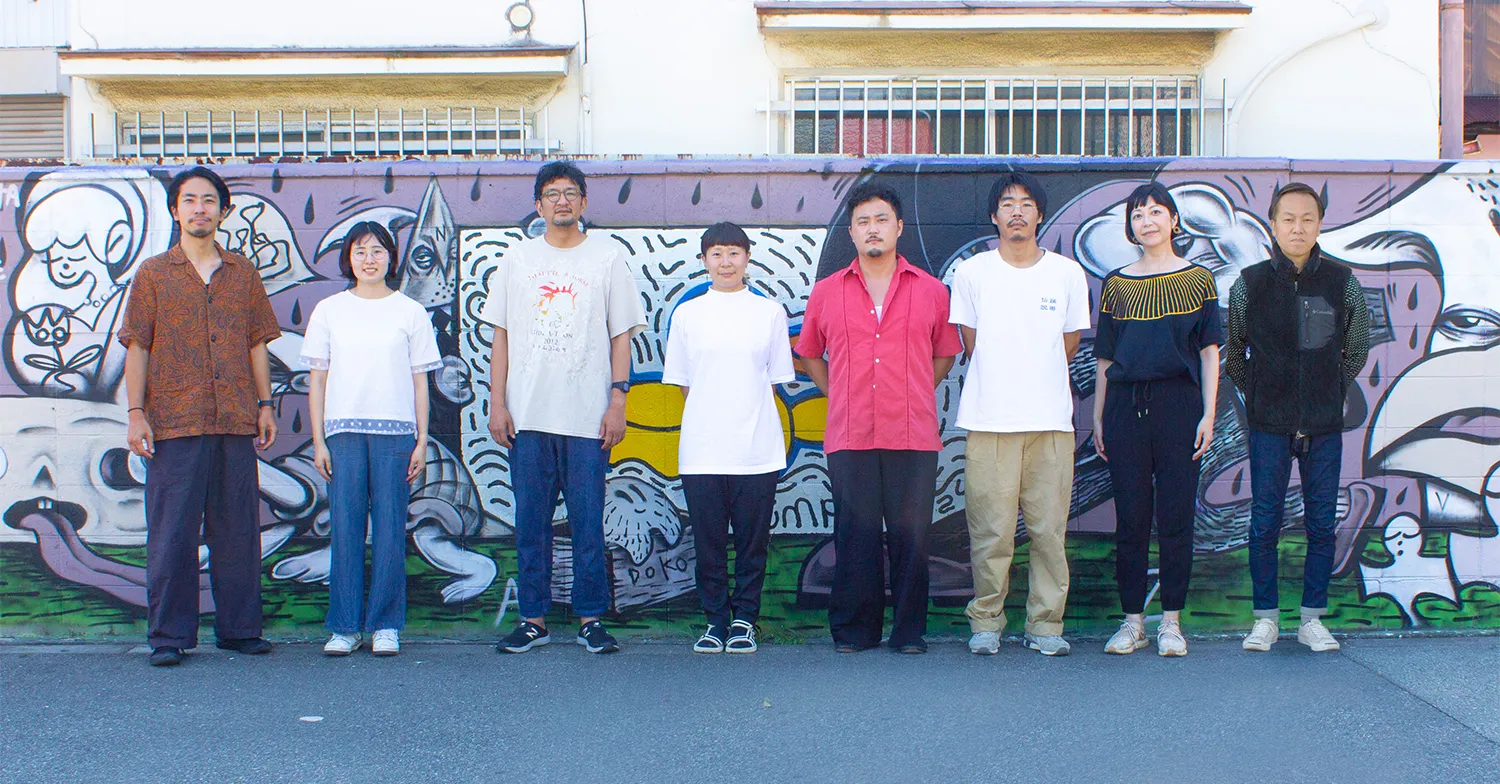
Wang Yue 2050
dot architects / Dot Architects
An architectural unit established by Toshikatsu Ienari and Takeshi Akashiro. A collaborative studio for practicing "another society," bringing together people and organizations from various fields. Based at Corpo Kitakagaya.
HP: dotarchitects.jp
IG: @dotarchitects.jp
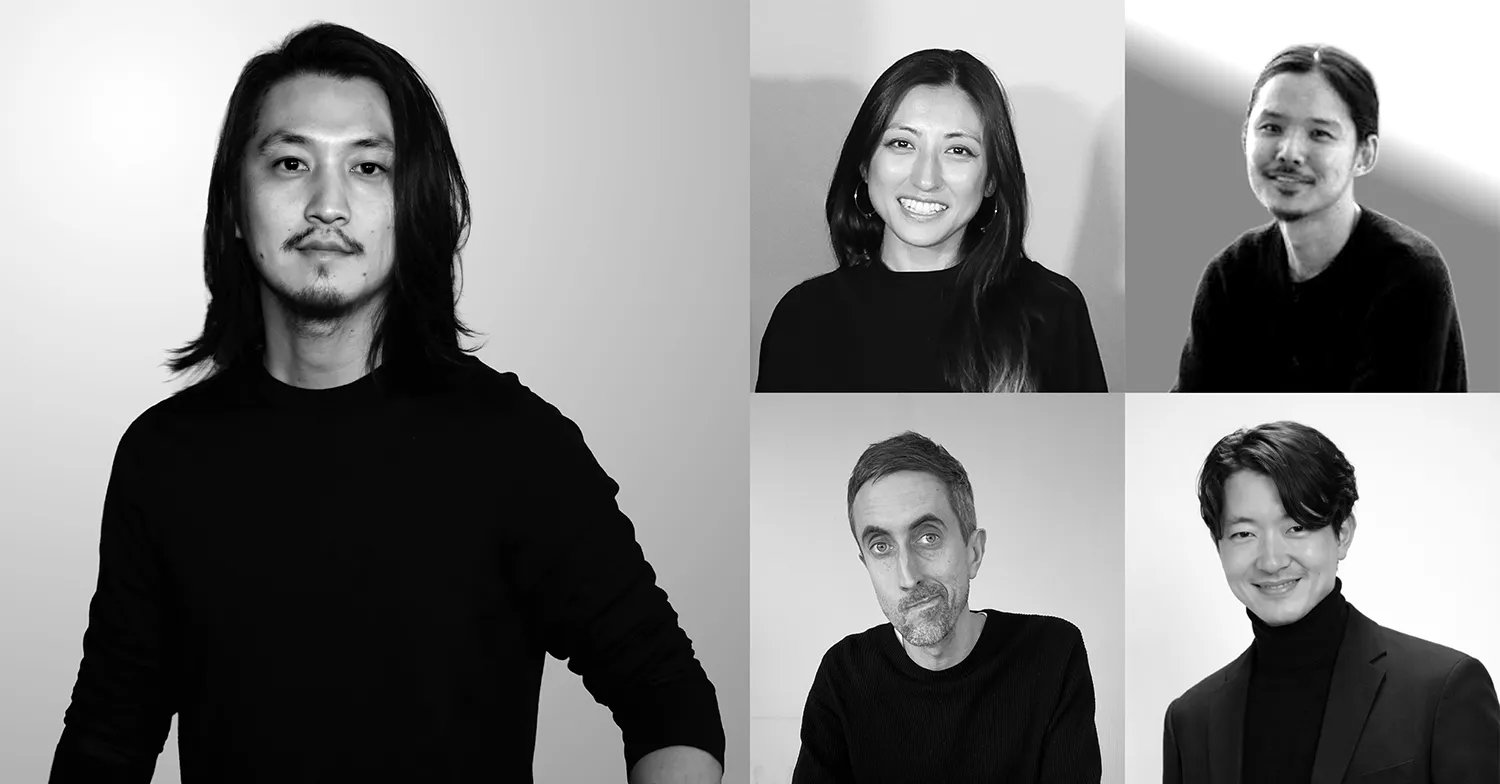
Tokyo 2050
OSO Research
A research team within Onodera Shogo Architects [OSO] that enhances concepts and designs while overlapping with architectural design work. Composed of architects, researchers, artists, project managers, and translators.
HP: shogoonodera.com
IG: @officeshogoonodera
Movie: Ichiro Mishima
Movie Edit: Rie Toguchi