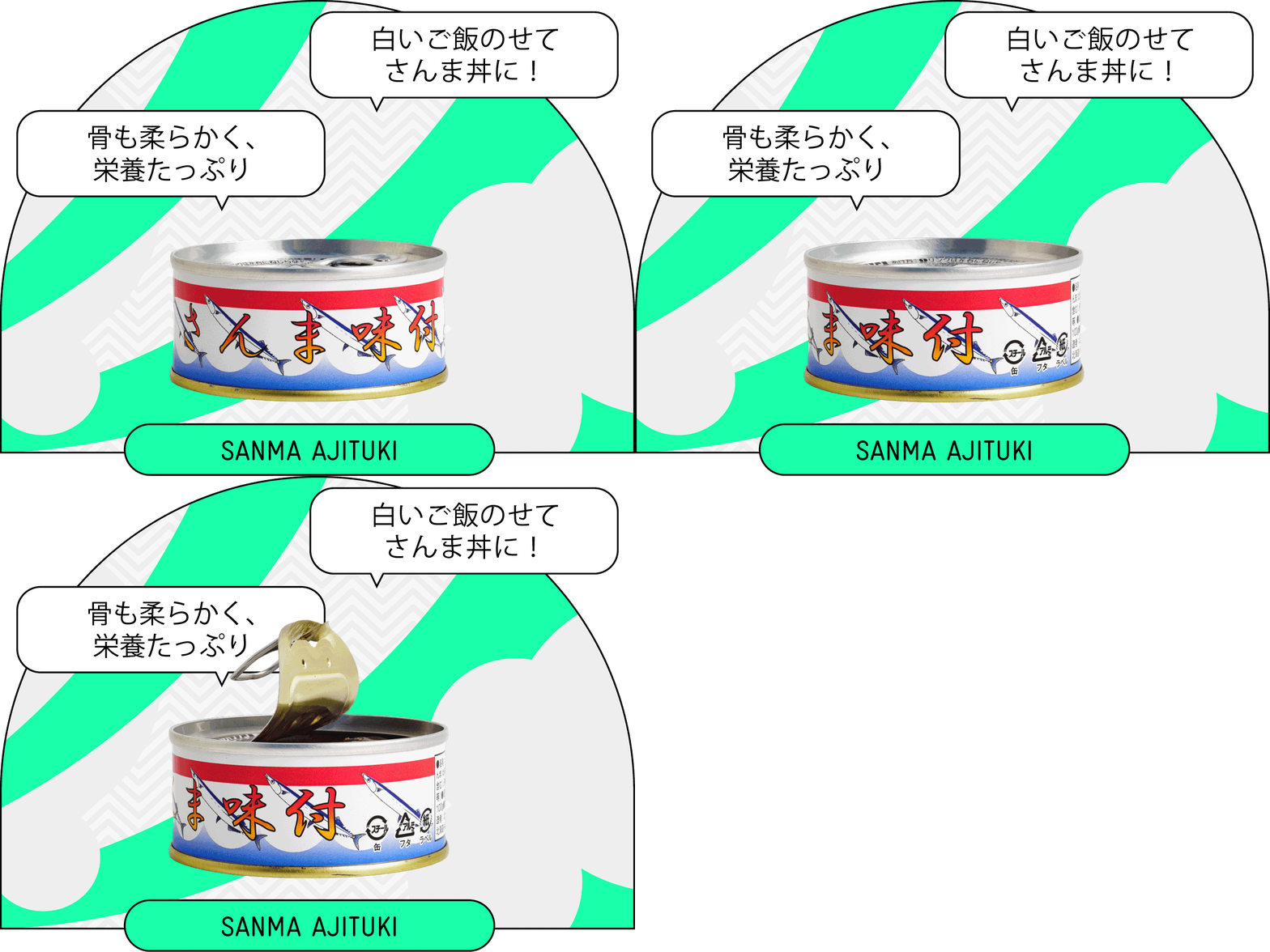
Canned Pacific Saury (flavored)
This is one of Otaru Suisan's signature practical training products, made with fresh Pacific saury from Akkeshi Town, Hokkaido. Students process each can by hand, carefully manufacturing them using a technique called "chrysanthemum packing," where the saury is arranged beautifully along the circumference of the can like a chrysanthemum flower. "After sealing the can, it is heat-sterilized at high temperature and pressure to prevent spoilage and make the bones soft. The bones are soft enough to eat, and it is also rich in nutrients. The sweet and savory seasoning makes you crave white rice," says Ina Mita, a third-year student in the Department of Fisheries Food Science.
⚫︎Capacity: 100g (solid amount 80g)
• How to purchase: Available for purchase at the school festival "Tarumizu Festival".
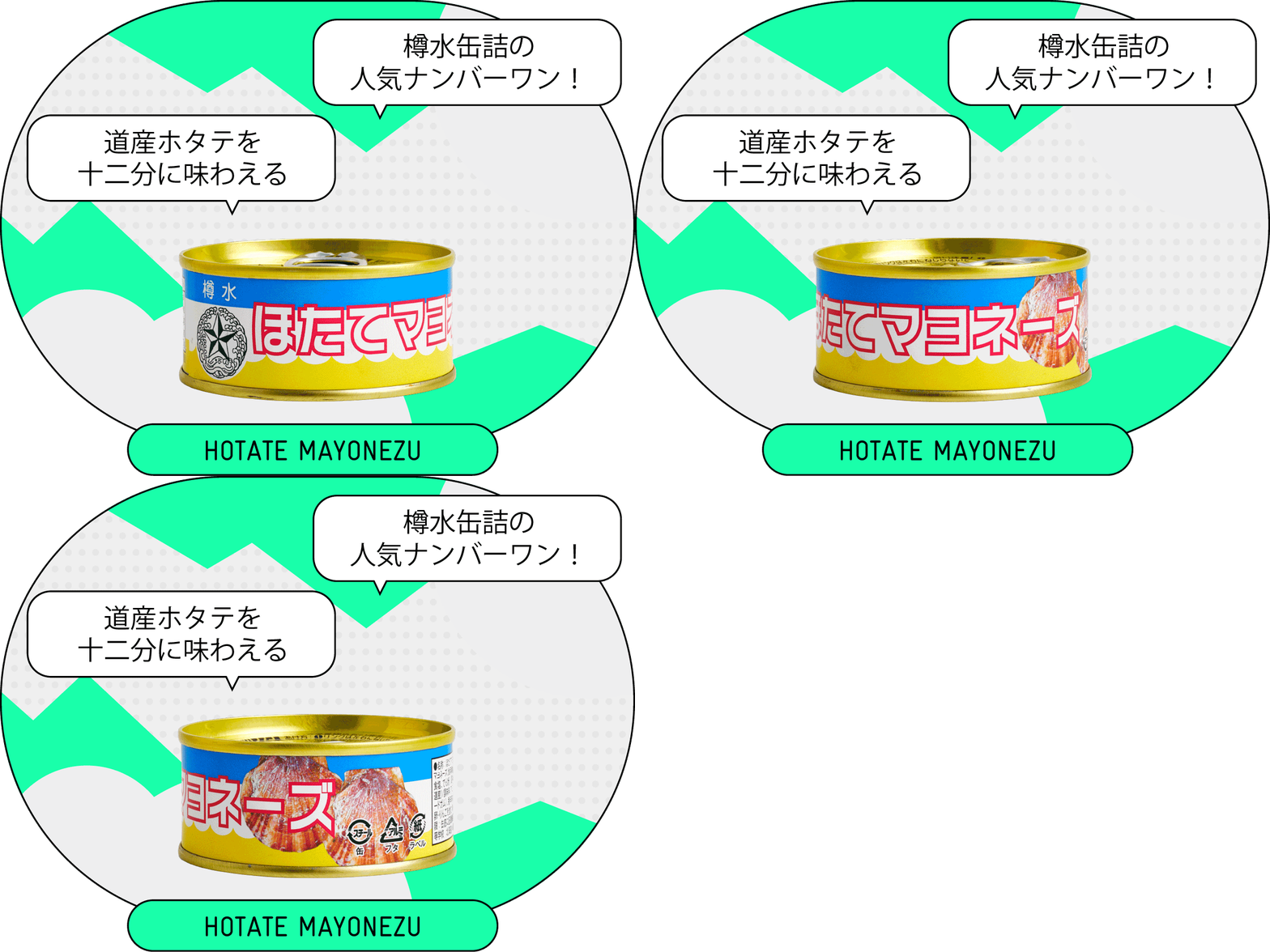
Scallop mayonnaise
The scallops, sourced from Hokkaido, are carefully shredded by hand by the students. This popular product sells out immediately at the school's sales events. "It's a canned product that lets you fully enjoy Hokkaido scallops, and it's the most popular canned product our school makes! The key is the exquisite way of shredding them, making sure they're neither too thick nor too thin. This extra step brings out the natural sweetness of the scallops, and you can enjoy a rich umami flavor that stands up to the homemade mayonnaise." (Fisheries Food Science / 3rd year / Mita Ena)
⚫︎Capacity: 100g
• How to purchase: Available for purchase at the school festival "Tarumizu Festival".
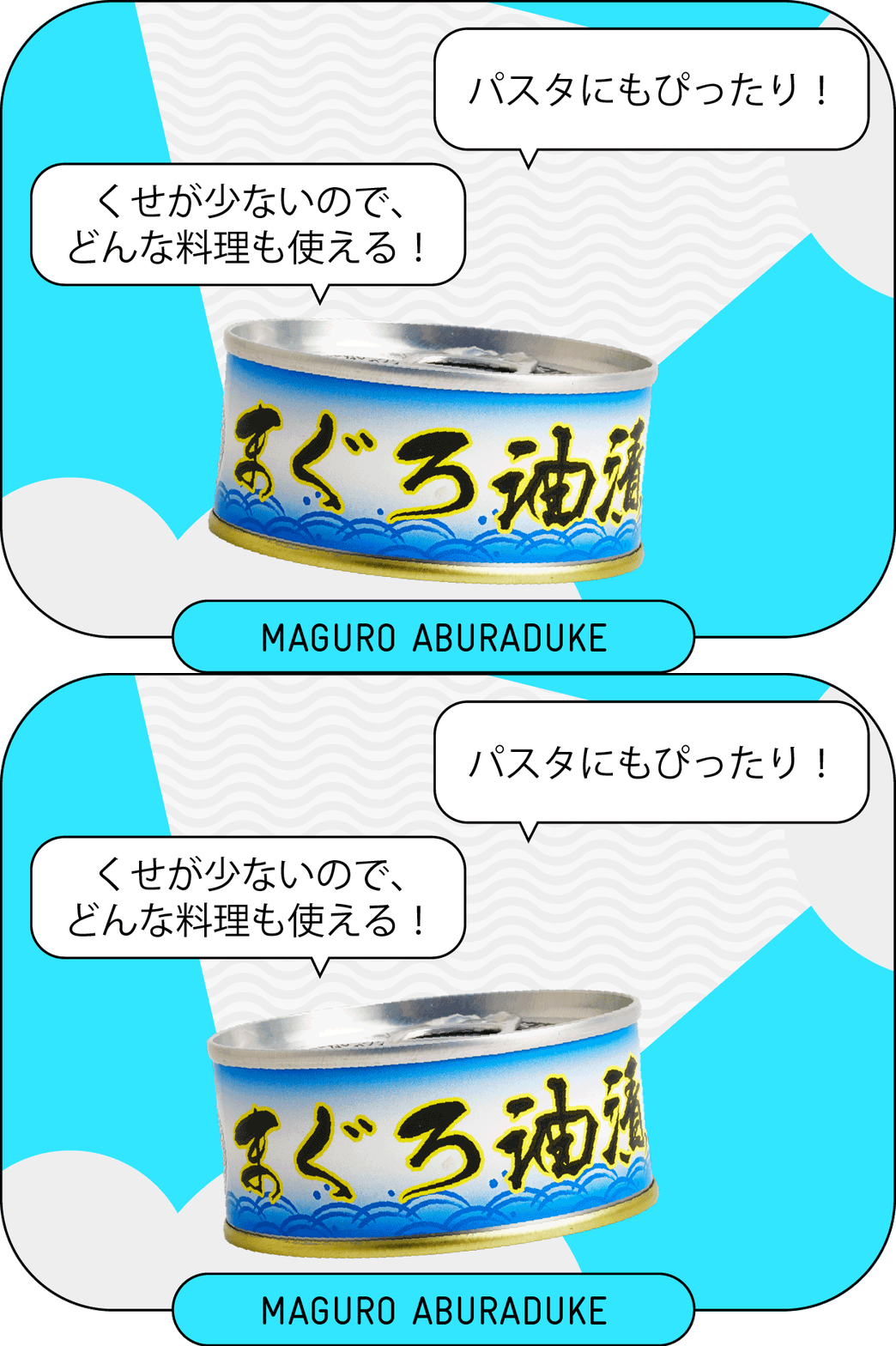
Canned tuna in oil
Students in the Marine Fisheries Department catch tuna, which is then carefully processed by students in the Seafood Science Department. "After removing the skin, blood, and other unwanted parts, the flesh is shredded into flakes. It is then packed into cans, oil and seasoning liquid are added, and the cans are sealed and sterilized under pressure and heat. This canned tuna is healthy, being high in protein and low in fat, and has a mild flavor, so the uses are endless. My recommended way to eat it is to put the tuna and the liquid from the can on top of rice, and add green onions and an egg yolk. When you're unsure what to make, canned tuna is a lifesaver." (Seafood Science Department / 3rd year / Mita Ena)
⚫︎Capacity: 90g (solid amount 60g)
• How to purchase: Available for purchase at the school festival "Tarumizu Festival".
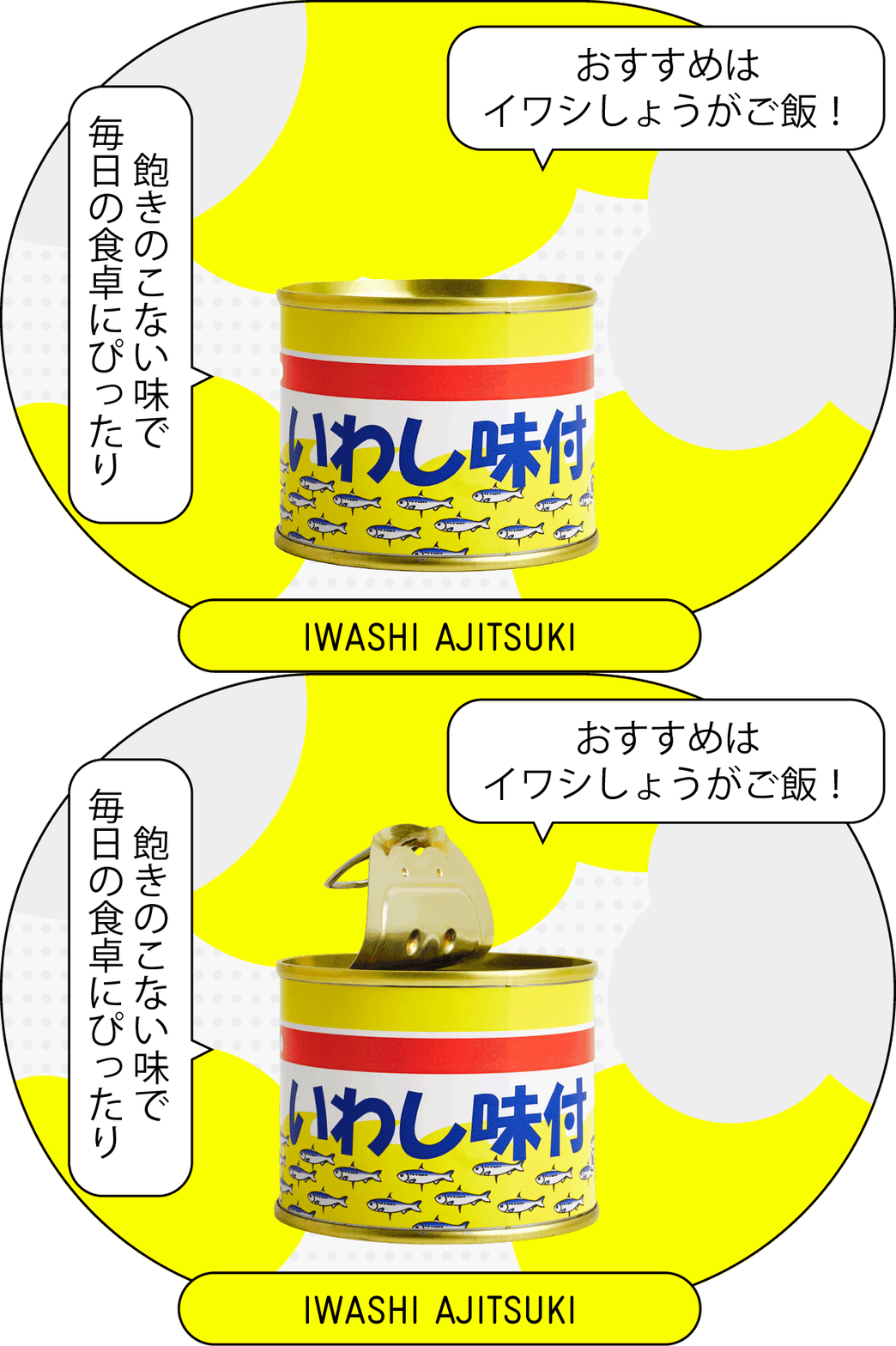
Canned sardines in seasoning
"After removing the heads and internal organs, we thoroughly wash them before canning. Each one is carefully canned by hand. The bones become soft, making them very easy to eat." (Fisheries Food Science / 3rd year / Mita Ena)
⚫︎Capacity: 210g (solid amount 160g)
• How to purchase: Available for purchase at the school festival "Tarumizu Festival".
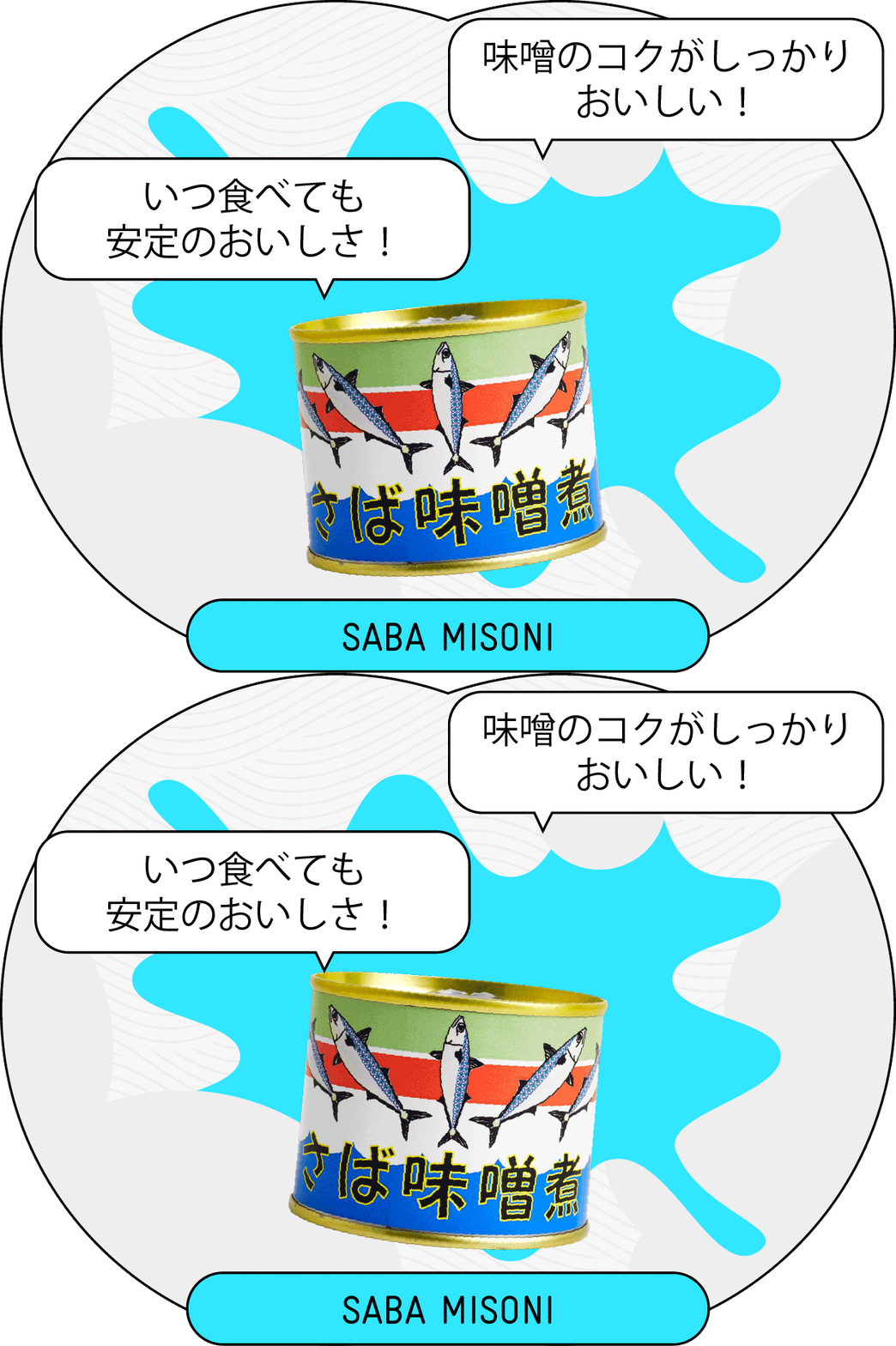
Canned mackerel simmered in miso
This canned mackerel is so popular locally that it sells out immediately whenever it's sold at events. "Speed is key when preparing the mackerel. After quickly preparing it, wash it thoroughly and cut it. The fish is plump, yet the miso gives it a rich flavor, making it a perfect side dish. My recommended way to eat it is with rice topped with white sesame seeds and shichimi spice." (Fisheries Food Science / 3rd year / Mita Ena)
⚫︎Capacity: 210g (solid amount 160g)
• How to purchase: Available for purchase at the school festival "Tarumizu Festival".
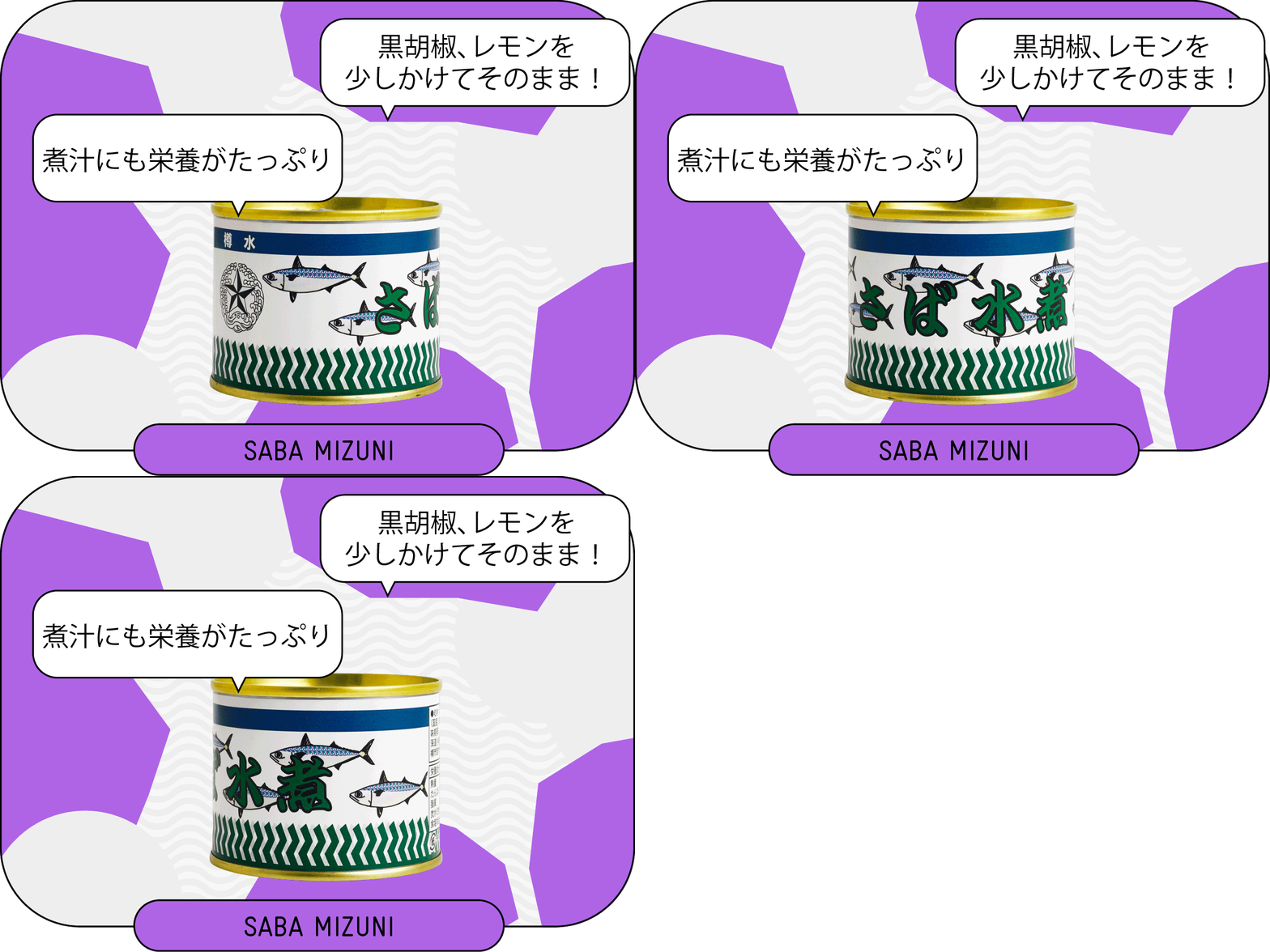
Canned mackerel in brine
This canned mackerel is made with fresh mackerel in brine. "The only ingredients are mackerel and salt, but the key point is that it tastes great even when eaten as is. Of course, it's also recommended for use in cooking. It's a product that lets you enjoy the deliciousness of mackerel as is." (Fisheries Food Science / 3rd year / Mita Ena)
⚫︎Capacity: 200g
• How to purchase: Available for purchase at the school festival "Tarumizu Festival".
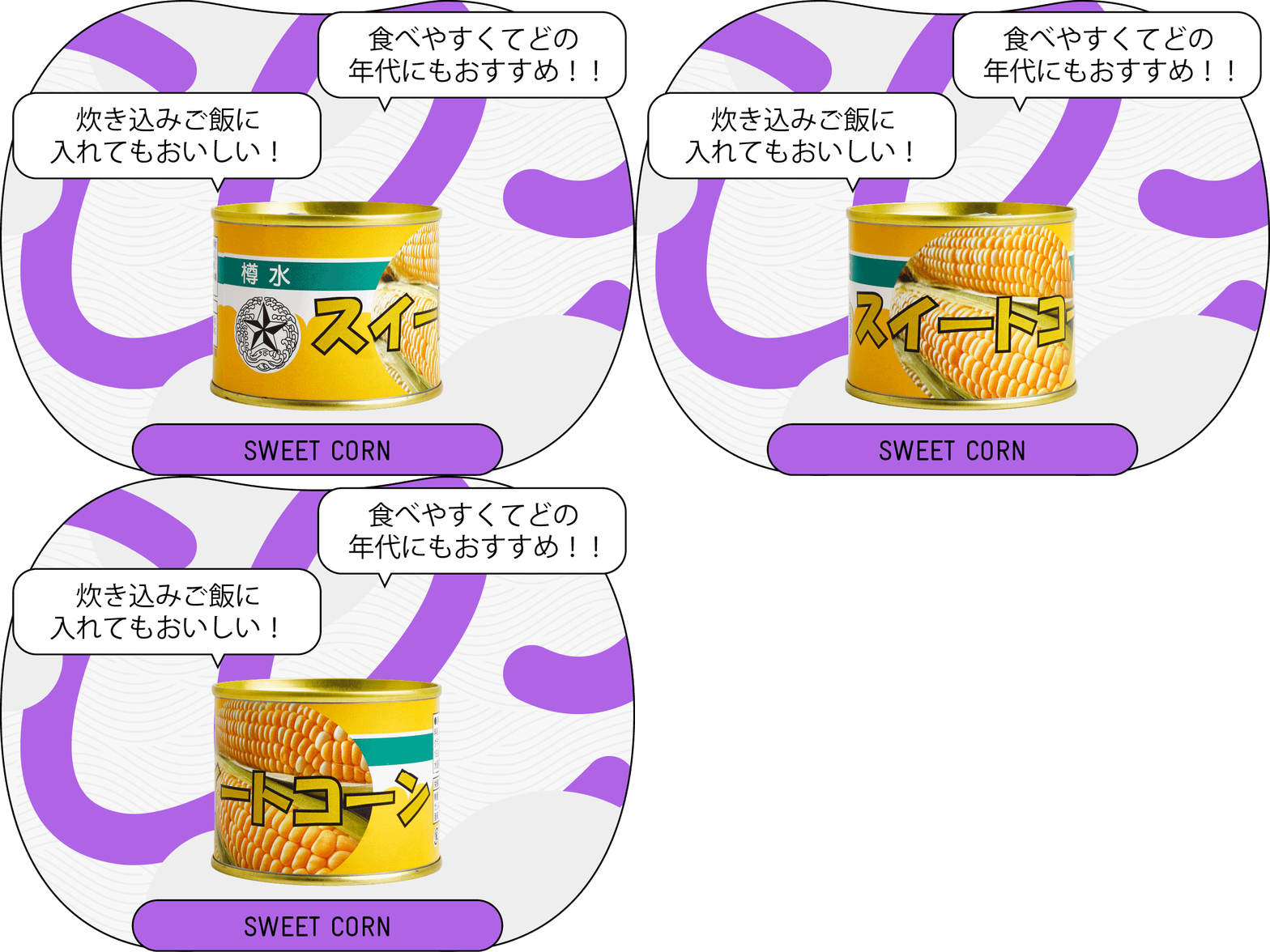
Canned sweet corn
Otaru Fisheries High School is involved not only in fisheries but also in agricultural cultivation and product development utilizing those products. This is a canned product made with sweet corn from Hokkaido. "The appeal of this sweet corn is its firm kernels and soft skin. You can enjoy the popping sensation when you bite into it, and the skin doesn't get stuck in your mouth. It's a product that can be recommended to everyone from small children to the elderly, whether you put it on a salad or use it in rice dishes. The sweetness of the sweet corn also makes it easy to balance the flavors, which is another appealing point." (Fisheries Food Science Department / 3rd year / Mita Ena)
• Volume: 190g (Solid content 100g)
• How to purchase: Available for purchase at the school festival "Tarumizu Festival".
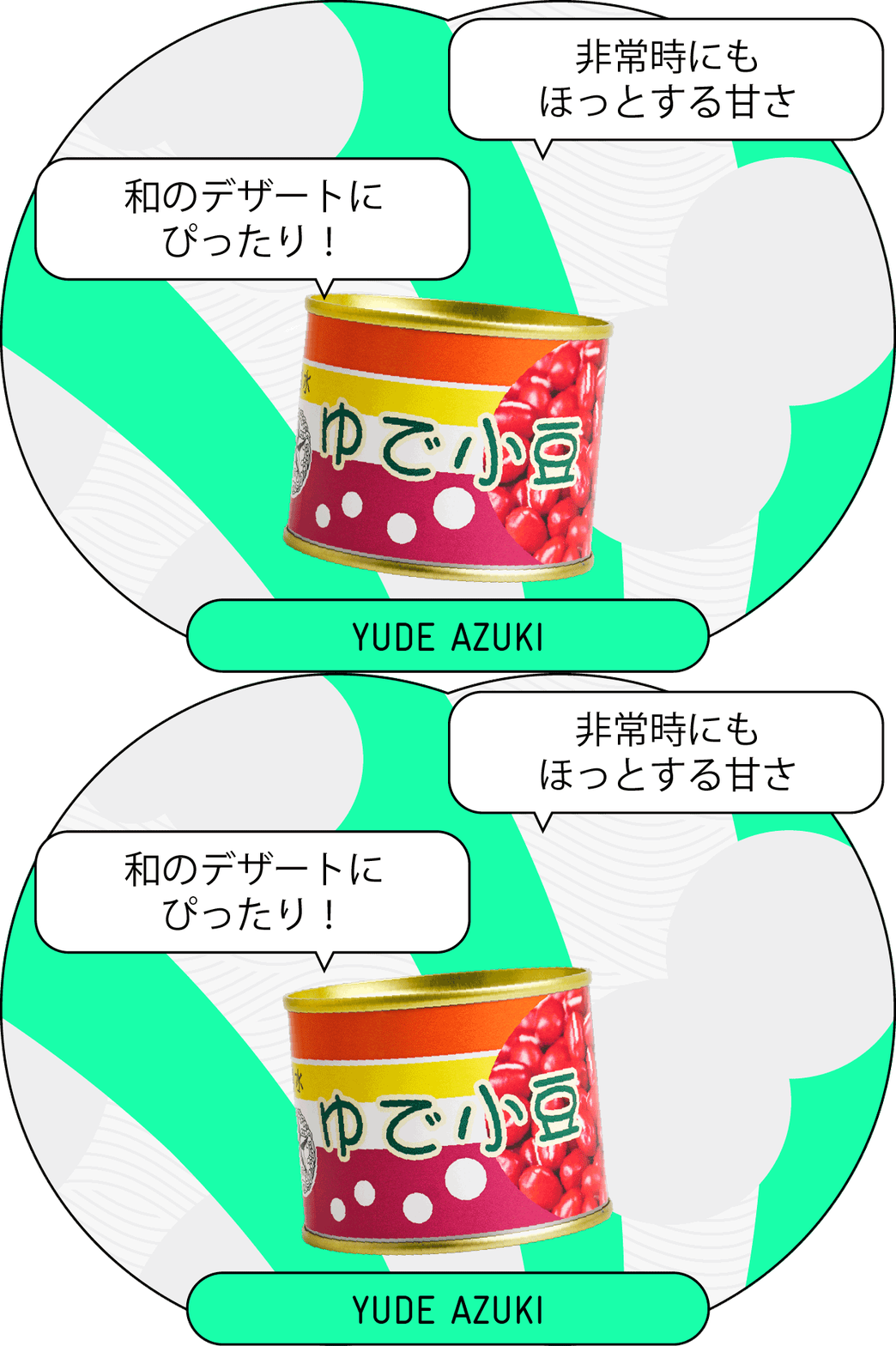
Canned boiled red beans
In practical training in the Department of Fisheries and Food Science, students handle a wide range of foods, from seafood to agricultural products and livestock meat, and learn about processing methods and quality control. They also produce canned goods using Hokkaido-grown adzuki beans and corn. "The canned boiled adzuki beans are appealing because of their size, softness, and aroma, and the beans themselves are the star of the show. I recommend using them in Japanese sweets," says Ina Mita, a third-year student in the Department of Fisheries and Food Science.
⚫︎Capacity: 215g
• How to purchase: Available for purchase at the school festival "Tarumizu Festival".
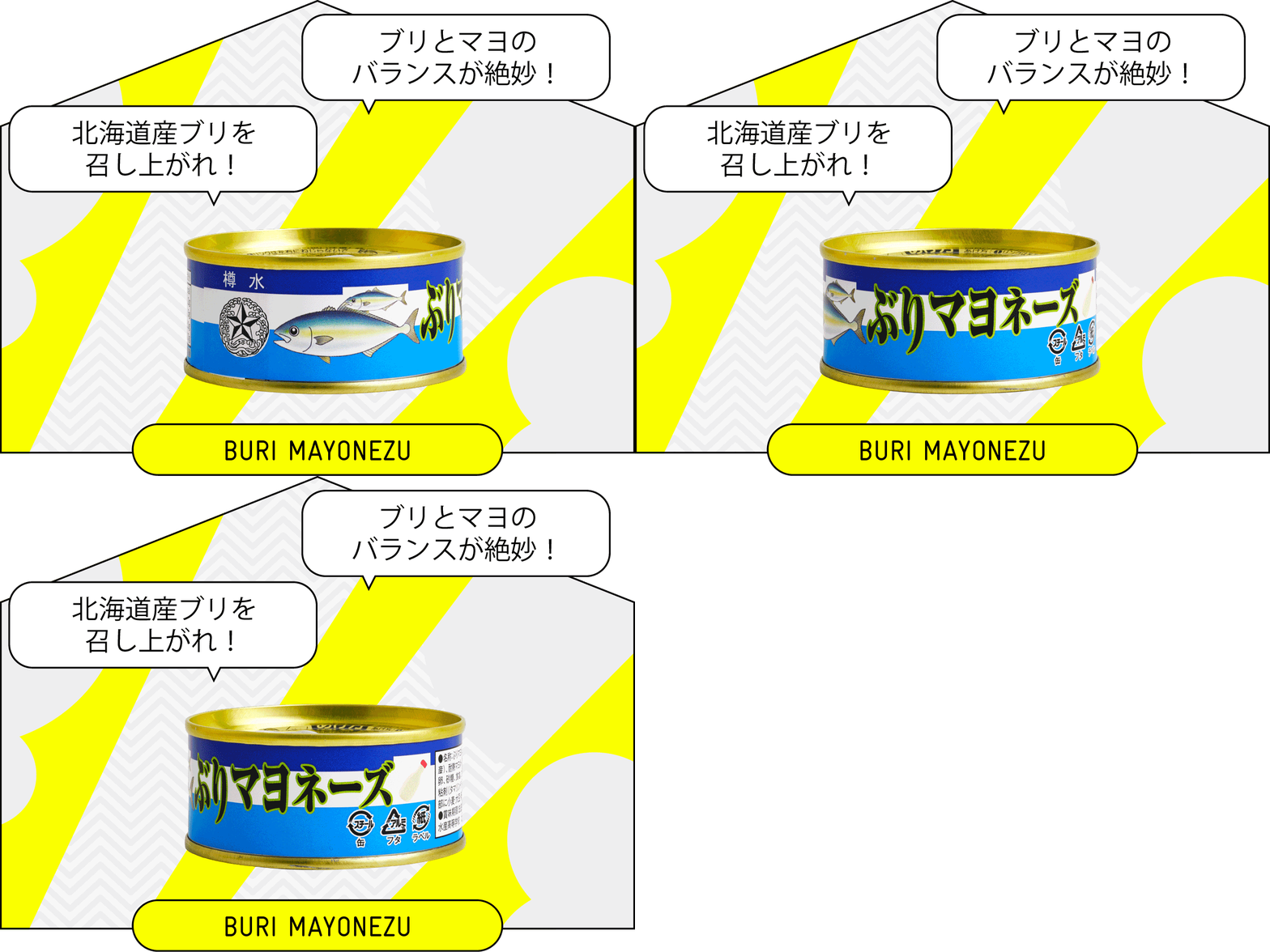
Yellowtail in mayonnaise (canned)
"This canned product uses yellowtail from Hokkaido, where catches have been increasing in recent years. The key is the exquisite balance of yellowtail and mayonnaise, making it a great accompaniment to rice or as a filling for rice balls." (Fisheries Food Science / 3rd year / Mita Ena)
⚫︎Capacity: 100g
• How to purchase: Available for purchase at the school festival "Tarumizu Festival".
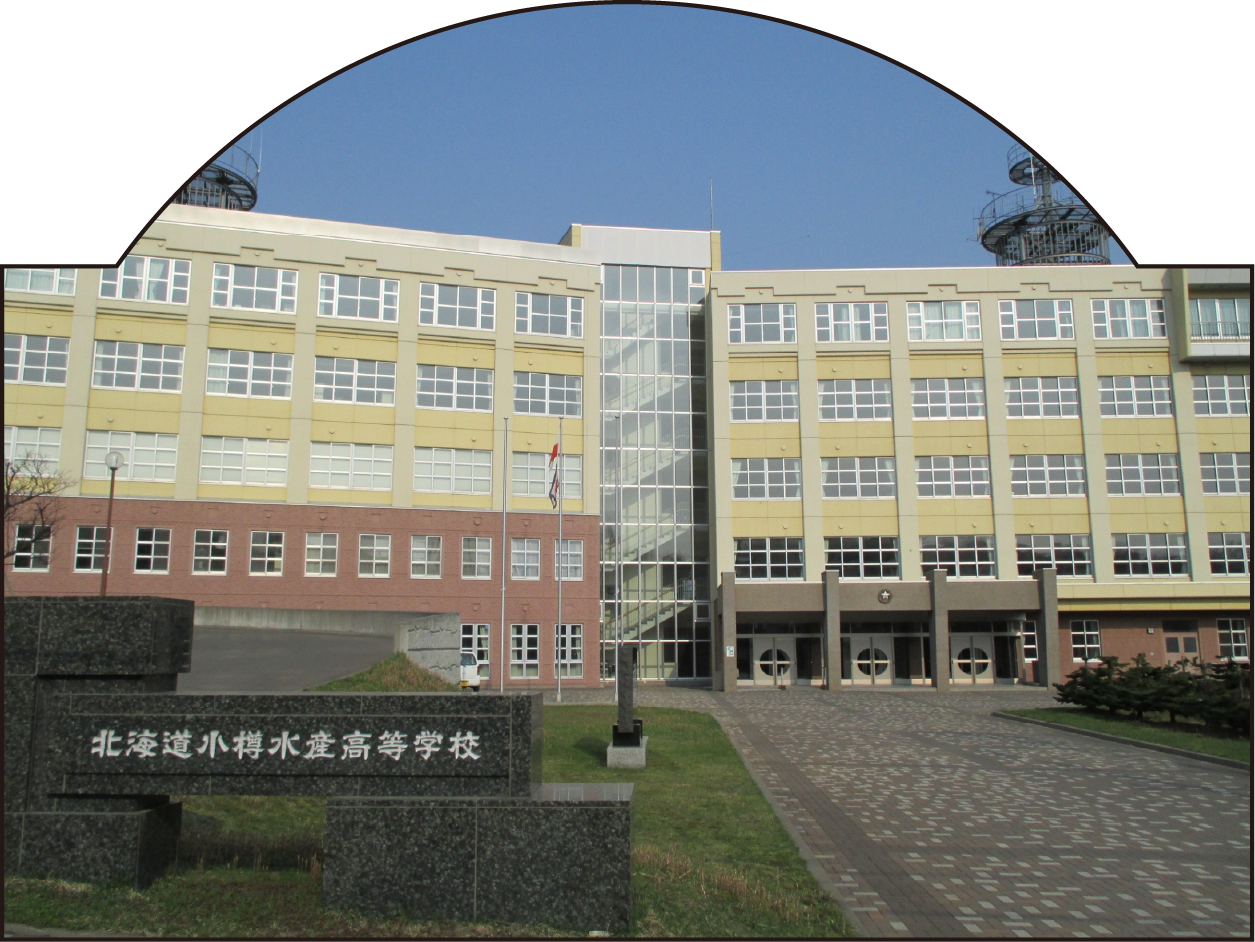
Hokkaido Otaru Fisheries High School
This public vocational high school specializing in fisheries and marine sciences, located in Otaru City, Hokkaido, is one of the most prestigious schools in the prefecture. Taking advantage of its location on the Sea of Japan, a major feature of the school is that students can learn a wide range of marine-related fields, including navigation, fishing, food processing, aquaculture, and communication technology, through hands-on training. Onboard training and learning in collaboration with local industries are also abundant, making it possible to acquire more advanced specialized skills. It is an educational hub for training professionals of the sea. "This year marks the 120th anniversary of this traditional school. It has four departments: Marine Fisheries, Fisheries Food Science, Aquaculture, and Information and Communication Science, as well as two advanced courses: Fisheries and Information and Communication Science. We accept students not only from all over Hokkaido but also from Honshu," (Fisheries Food Science / 3rd year / Mita Ena).
Click here for the school's website.